
About LIB MSP
Transferring American safety culture to Liberia.
Who we are
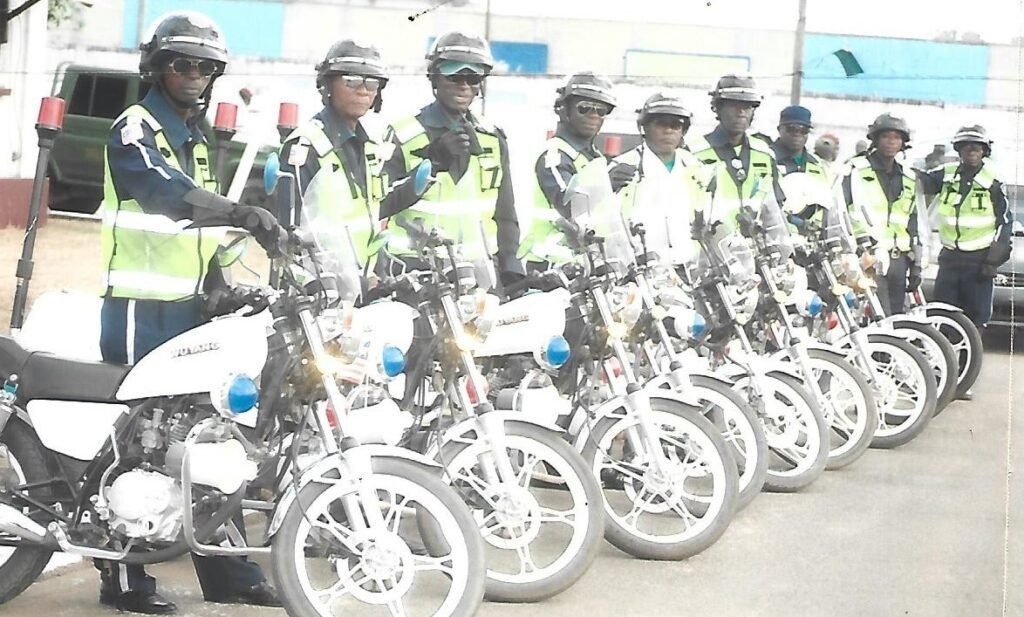
The Liberia Motorcycle Safety Program (LIBMSP) is a road-safety education and training initiative associated with WoGeS Holding Liberia, Inc.
Although motorcycles remain an important part of our mission, LIBMSP recognizes that motorcycle safety cannot be separated from the behavior of everyone sharing the road.
Our work therefore supports the education and development of multiple road-user groups.
Our vision
A Liberia where every road user understands that access to the road comes with responsibility for human life.
Our mission
To promote structured, accessible and practical road-safety education, rider and driver development, responsible road behavior, professional instruction and continuing safety learning throughout Liberia.
What we do
Seven areas of work that take road users from their first lesson to lifelong safe behavior.
Road-user education
Providing structured Rules of the Road and safety education for different categories of road users.
Motorcycle rider training
Developing the knowledge, judgment, risk-awareness and practical skills associated with safer motorcycle operation.
Youth safety education
Introducing children and young people to road safety, responsibility, traffic rules and safe behavior before they become adult drivers and riders.
Commercial rider development
Promoting professionalism, safe behavior, passenger protection and responsible commercial motorcycle operation.
Driver & rider instructor development
Preparing qualified individuals to deliver structured road-safety education and training.
Road-user evaluation
Promoting fair, structured and consistent assessment of road-user knowledge and practical safety skills within applicable legal and institutional requirements.
Mobile safety education
Taking road-safety education and training closer to communities through the LIBMSP Mobile School concept.
Our primary belief
Every road user needs education.
- A pedestrian does not have to own a vehicle to need road-safety education.
- A child does not need to be old enough to drive before learning how to safely use the road.
- A passenger has responsibilities.
- A commercial rider has responsibilities.
- A private driver has responsibilities.
- A professional instructor has responsibilities.
- An examiner has responsibilities.
Road safety is everybody's responsibility.
Our public-safety philosophy
Training before the road
Being able to move a motorcycle or vehicle does not automatically make someone a safe road user.
A responsible road user must understand:
- Rules of the Road
- Traffic signs and signals
- Road markings
- Right-of-way principles
- Risk recognition
- Pedestrian responsibility
- Passenger responsibility
- Rider and driver responsibility
- Protective equipment
- Road courtesy
- Lawful road behavior
- Emergency awareness
- Respect for other road users
Our approach
LIBMSP’s road-safety framework combines:
Education
Training
Practice
Evaluation
Behavioral responsibility
Continuing learning
Our values
Safety
Human life comes first.
Responsibility
Every road user has duties toward others.
Respect
Safe roads require respect for people, laws and institutions.
Professionalism
Training and evaluation should follow clear and consistent standards.
Inclusion
Road-safety education should reach children, adults, communities and different categories of road users.
Partnership
Safer roads require cooperation among communities, government, educators, businesses, transport organizations and civil society.
Our appeal
We appeal to every resident, visitor, and local and international partner of Liberia who has an interest in, or first-hand experience of, the challenges facing users of our roads.
As private citizens and entrepreneurs, we have seen the need to help government help ourselves. We know we cannot succeed by doing it all ourselves. That is why we appeal to you to join us with your suggestions and your financial and moral partnership, so we can all succeed together by changing our ways through education, the one and only way to social and economic freedom.
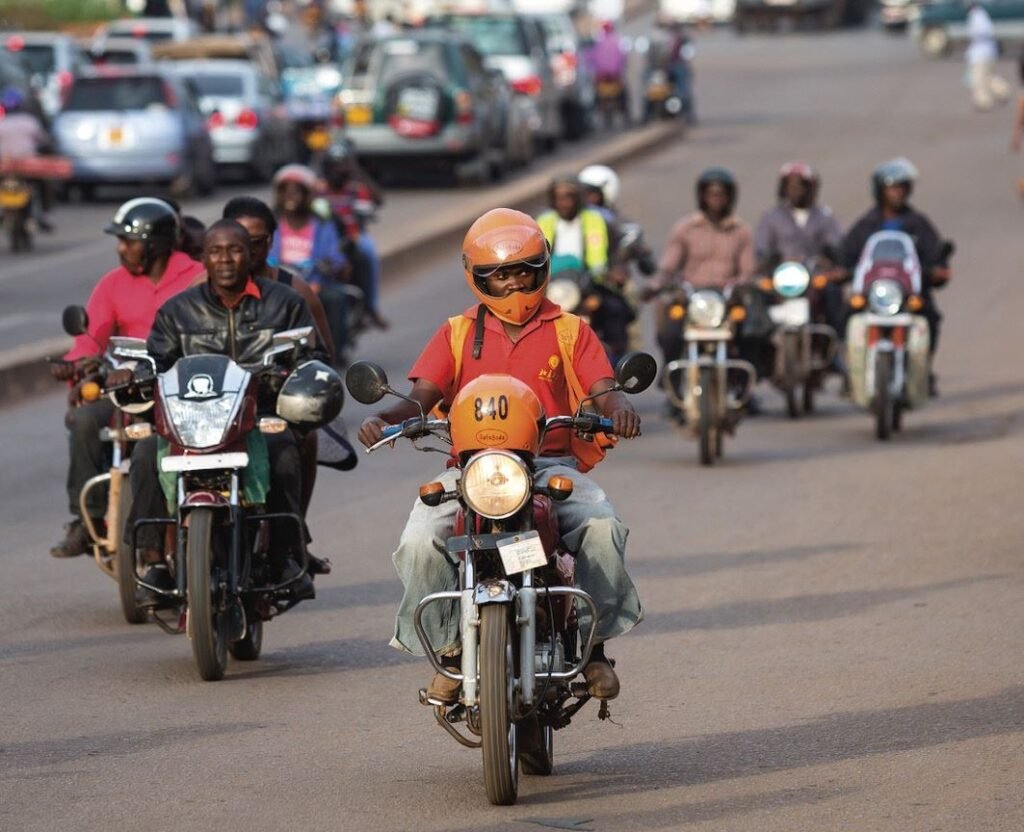
Who are the riders out there?
- Lawyers
- Doctors
- Students
- Bankers
- Tourists
- Business executives
- Marketers
- Family members
And people just like you and me.
Our team members
Philip E P Wood, II
Organizer
Charles B. Coffey
Executive Director
Mary Jane
Director of Administration
Derick N. Weah
Acting Director of Operation
Ziki N. Yarpah
Consultant, Bikers Affairs
William Johnson
Head of Classroom Education
Vernon Scotland
Head of Outdoor Education
Weah Karpeh
Consultant
What is LIBMSP?
LIBMSP stands for the Liberia Motorcycle Safety Program. It promotes structured road-safety education and training with particular attention to motorcyclists while recognizing the responsibilities of all categories of road users.
Is LIBMSP only for motorcycle riders?
No. Its expanded road-safety curriculum includes educational programs for pedestrians, passengers, bicycles, scooters, motorcycles, three-wheeled vehicles, light-duty vehicles, heavy-duty vehicles and earth-moving equipment.
Does LIBMSP provide youth education?
Yes. YRSR-301 – Young Rider Safety & Responsibility is designed as an educational pathway emphasizing safety and responsibility before independent road operation. Explore Youth Safety.
Does completing a LIBMSP course automatically give me a driver's license?
No. A LIBMSP educational or training certificate should not be understood as a government driver’s license. Licensing remains subject to applicable Liberian laws and requirements.
Can an organization request training?
Yes. Schools, communities, companies and organizations may submit training or Mobile School requests for consideration. Submit a request.
Can I become an instructor?
Prospective instructors may apply through the Instructors section and complete applicable LIBMSP instructor-development requirements.
Would you like to join us?
Register for training in your county, or get in touch to partner with the program.